approach routes
 Accueil > Manage > The 8 commitments >
 All the royal fortresses of Languedoc are situated within a high-quality natural environment, with an almost wild character. Living and evolving landscapes, they fully contribute to the value of the property and, as such, deserve to be preserved.
Promoting a Nuanced and Expanded Exploration of the Fortresses

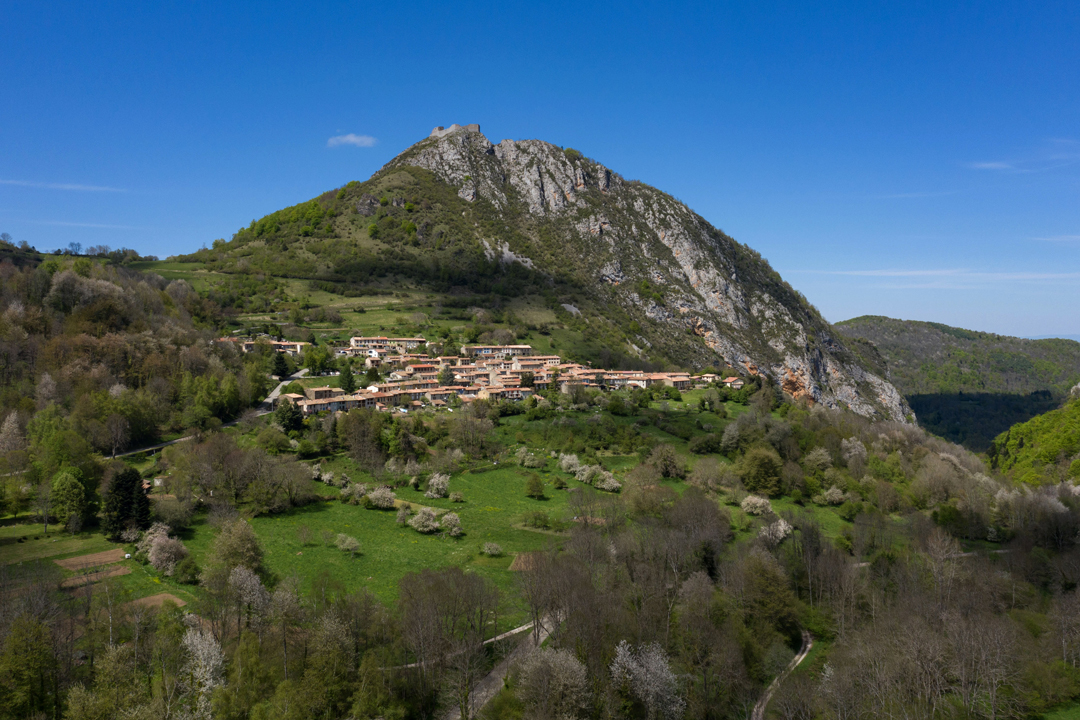
Visiting the castles is an experience in itself. It begins well beyond the monument. It starts where the view of the ramparts opens up, at the point where the visitor first sets foot on the ground, often in the heart of the village below the fortress; and it continues during the ascent by taking the steep paths that lead to the summit…
Therefore, the enhancement and optimization of the approach routes to the fortress are given particular attention. Selecting pathways, proposing places for rest, contemplation, or interpretation, considering amenities, encouraging sustainable mobility, fostering the local economy, and ensuring the comfort of residents are all aspects of this commitment.
Enhancing and Optimizing Routes Between the Fortresses
Anyone wishing to visit all eight royal fortresses of Languedoc in their entirety will need to be patient and plan to cover several hundred kilometers in just a few days!
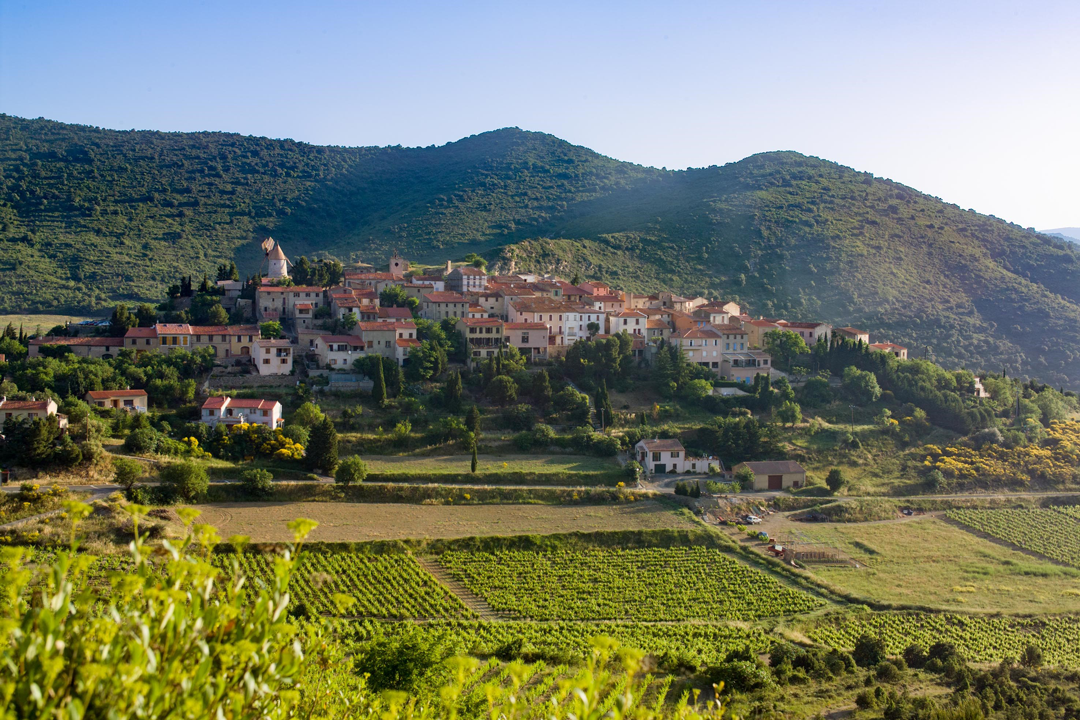
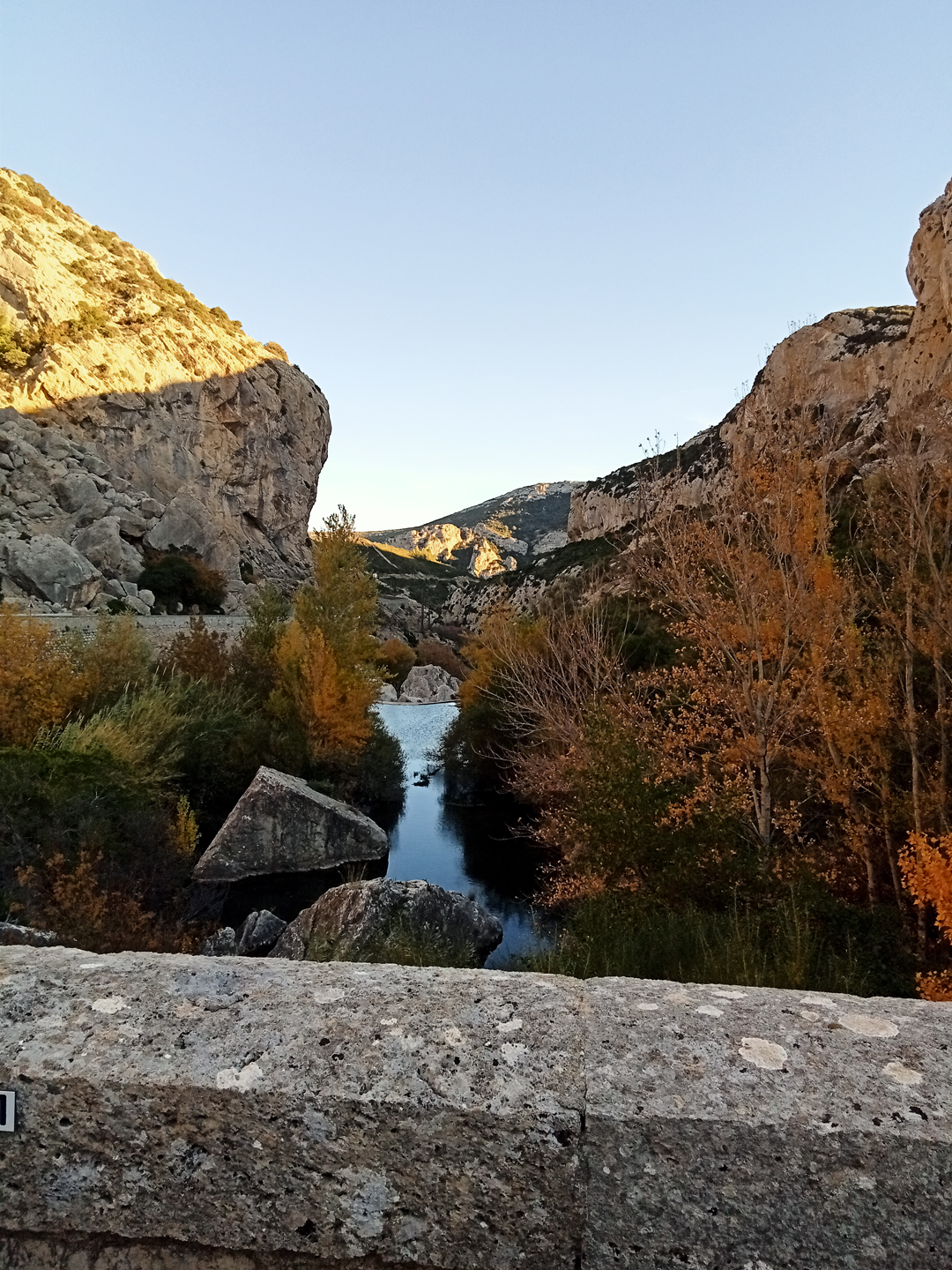
It is advisable to plan a stay of at least four days to fully enjoy them. As a reward, it is undoubtedly the promise of traversing the most beautiful road routes in the south of France: a true parade of mountain passes opening onto remarkable panoramas, a dive into the deep gorges of the Corbières bathed in turquoise waters, a journey through authentic villages…
Recognizing the landscape quality of these routes and preserving them from potentially impactful developments along the roadsides constitutes a key challenge for World Heritage inscription.
Anyone wishing to visit all eight royal fortresses of Languedoc in their entirety will need to be patient and plan to cover several hundred kilometers in just a few days!
It is advisable to plan a stay of at least four days to fully enjoy them. As a reward, it is undoubtedly the promise of traversing the most beautiful road routes in the south of France: a true parade of mountain passes opening onto remarkable panoramas, a dive into the deep gorges of the Corbières bathed in turquoise waters, a journey through authentic villages…
Recognizing the landscape quality of these routes and preserving them from potentially impactful developments along the roadsides constitutes a key challenge for World Heritage inscription.
Encouraging the Maintenance and Diversity of Agricultural Activity
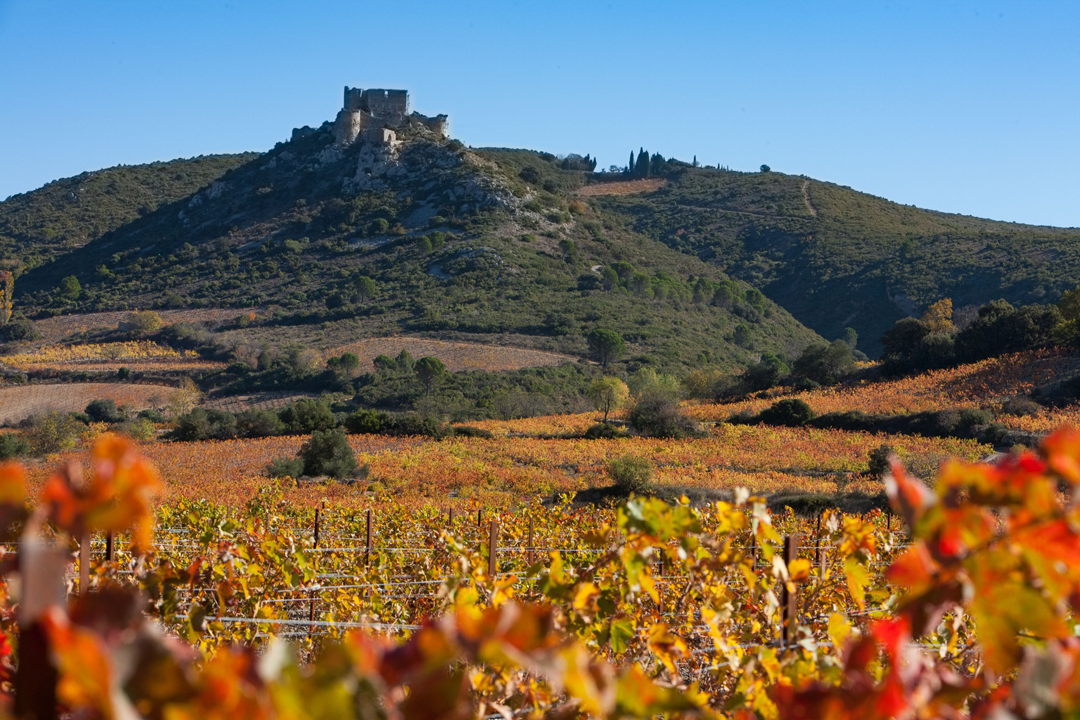
Encouraging the maintenance of agricultural activity is also an excellent way to ensure the preservation of the natural environments around the fortresses. Agricultural landscapes, especially vineyards, are a strong marker of the territory, which contribute to the authentic character of the property’s landscapes.
Promoting the maintenance of agriculture and encouraging its diversity offer several benefits. Pastoralism, fruit tree cultivation, and viticulture provide open spaces particularly conducive to the flourishing of specific biodiversity. It is also a very effective means of combating fire risk, which is exacerbated by the effects of climate change.
Anticipating the Consequences of Climate Change
The management of a World Heritage property requires, more than ever, a comprehensive consideration of the effects of climate change. In the case of the royal fortresses of Languedoc, these consequences manifest as several concrete phenomena that must be anticipated in a coordinated and collective manner.
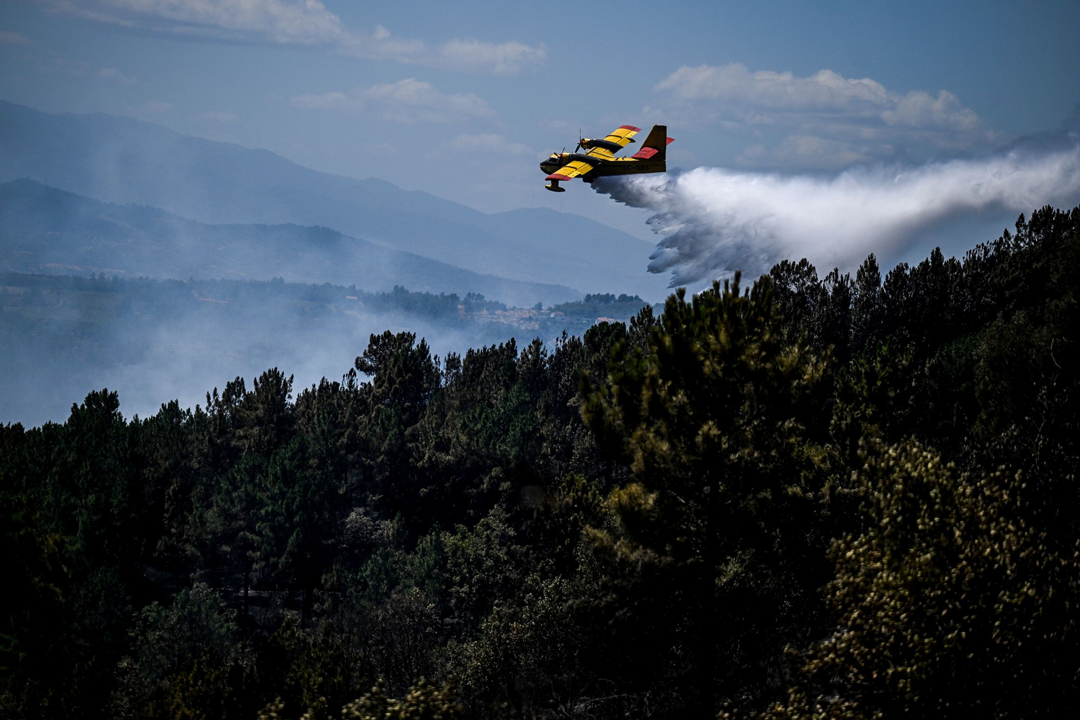
Changes in precipitation patterns generate long and intense droughts and heatwaves, which profoundly alter landscapes and crop types, impact biodiversity, and lead to an intensification of extreme weather phenomena such as storms or forest fires.
Response measures include equipping managers with common monitoring systems for extreme weather phenomena, prospectively analyzing the evolution of environments and habitats, and implementing shared risk management tools and methods.
The management of a World Heritage property requires, more than ever, a comprehensive consideration of the effects of climate change. In the case of the royal fortresses of Languedoc, these consequences manifest as several concrete phenomena that must be anticipated in a coordinated and collective manner.
Changes in precipitation patterns generate long and intense droughts and heatwaves, which profoundly alter landscapes and crop types, impact biodiversity, and lead to an intensification of extreme weather phenomena such as storms or forest fires.
Response measures include equipping managers with common monitoring systems for extreme weather phenomena, prospectively analyzing the evolution of environments and habitats, and implementing shared risk management tools and methods.