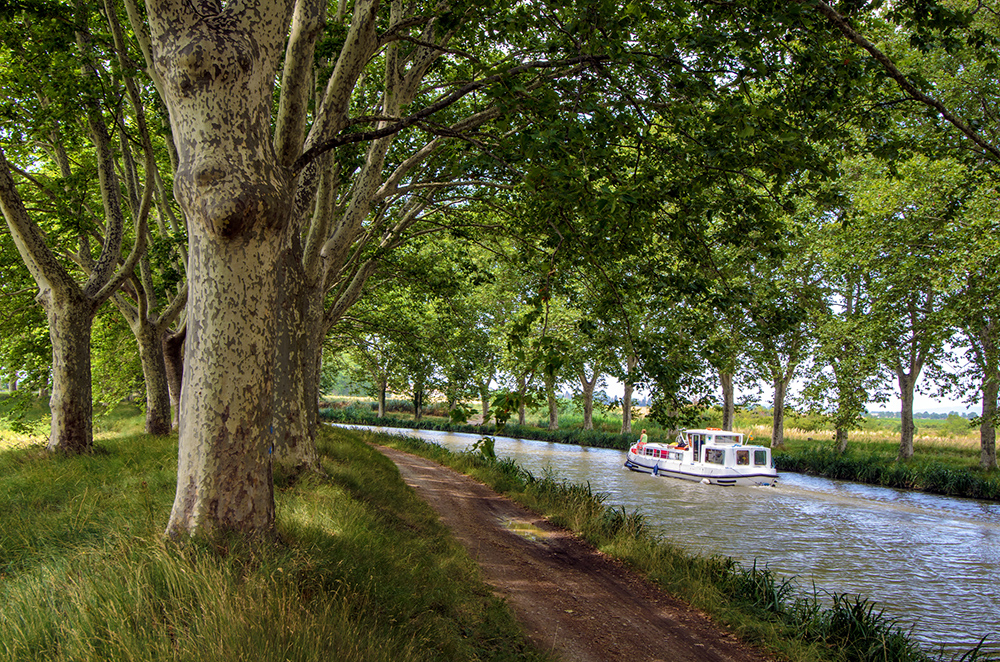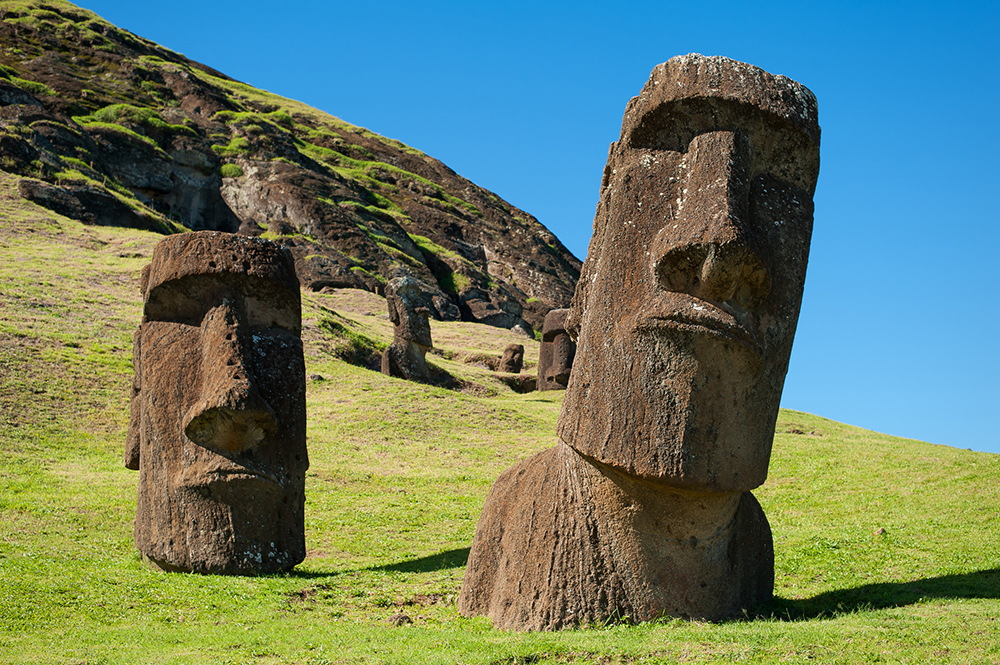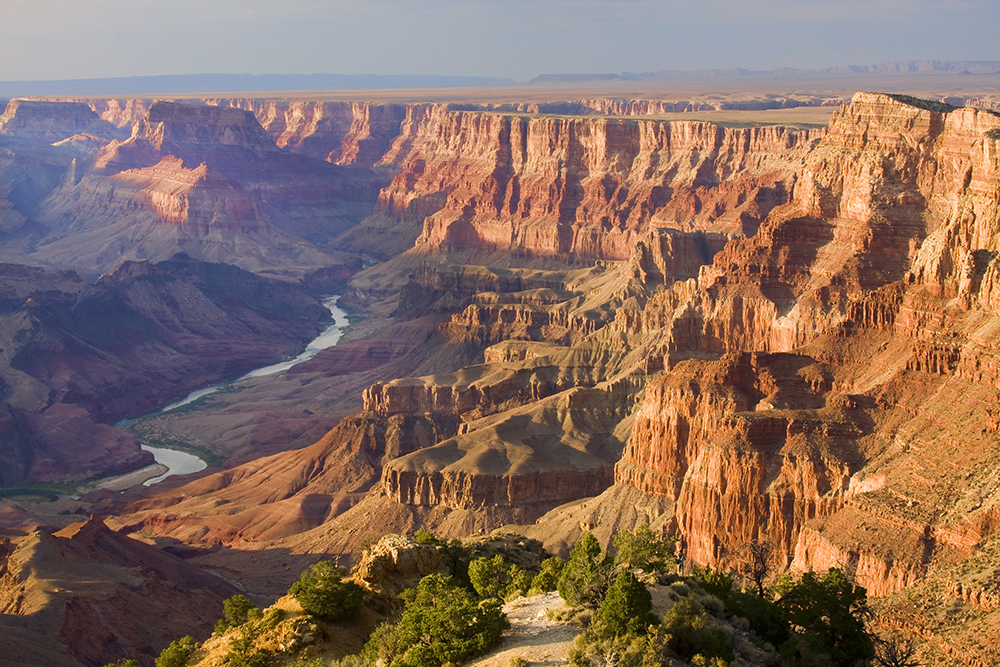
World Heritage
 Accueil > Discover >
 Its History

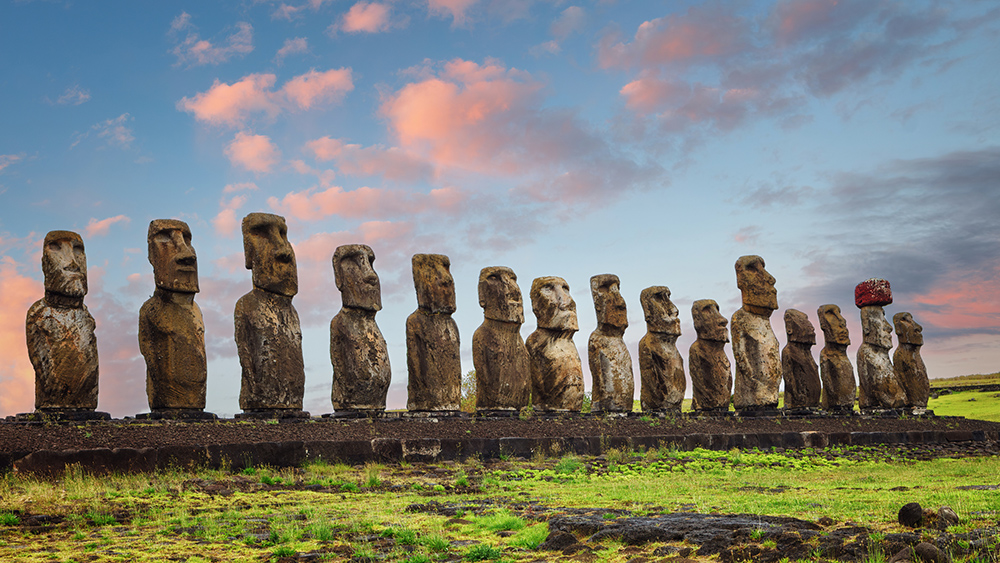
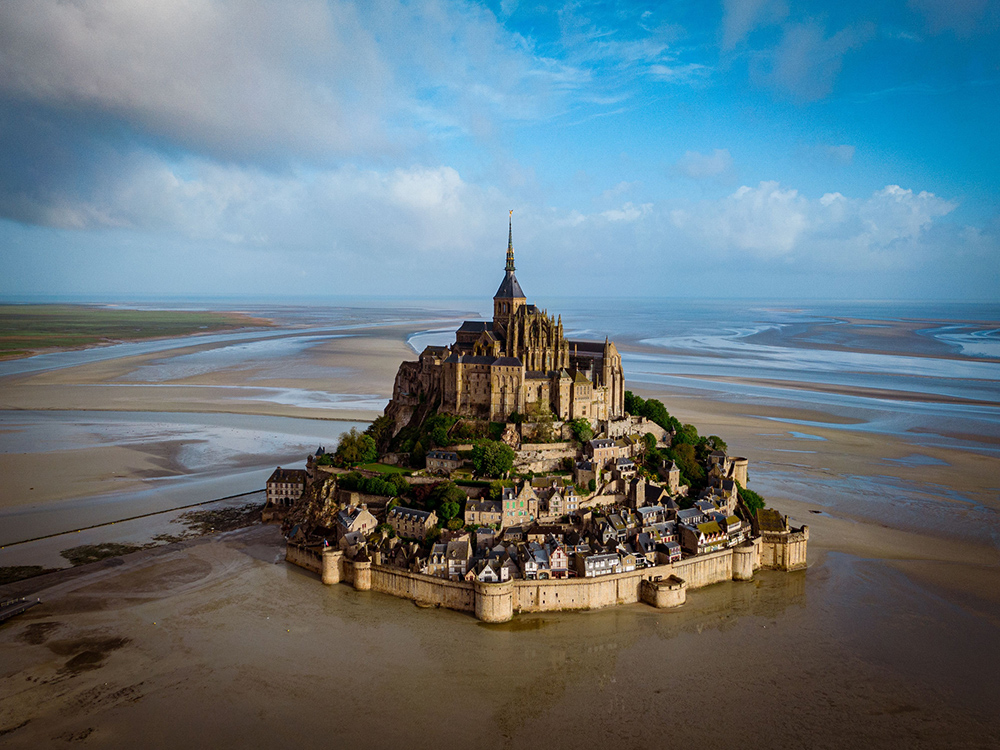
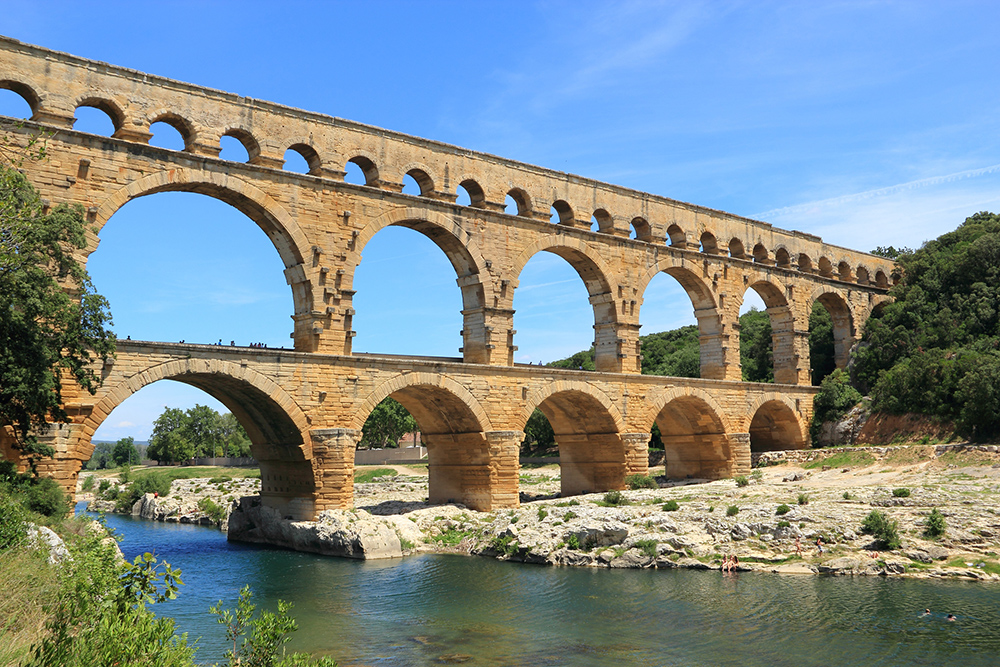
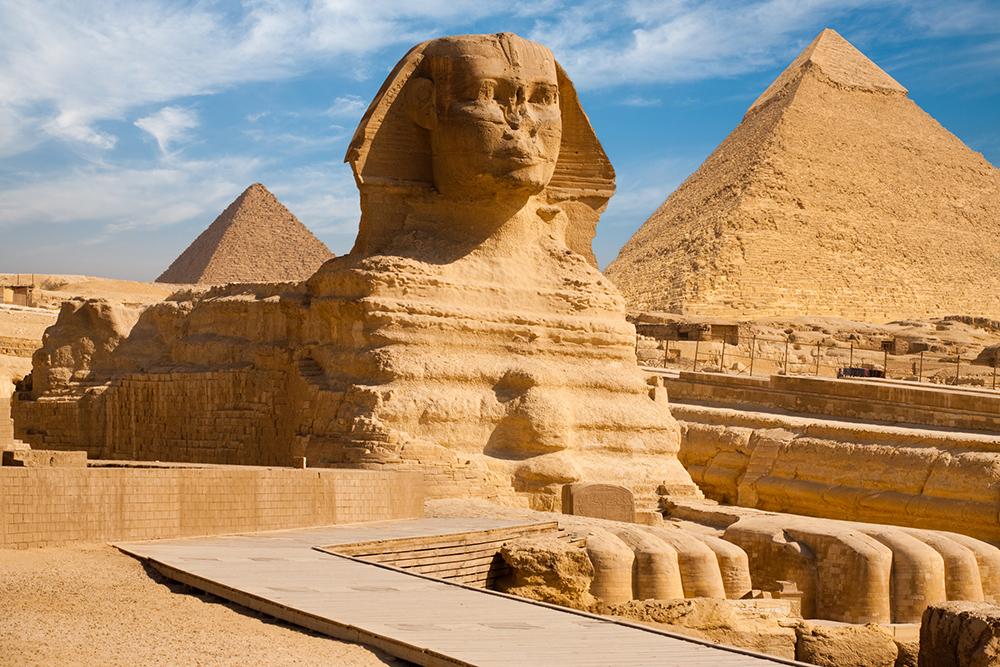
World Heritage is the common heritage of humanity: incredible places that tell our story, celebrate human creativity, cultural diversity, and the beauty of our planet’s nature. These treasures belong to everyone and deserve to be preserved and passed on to future generations.
After World War II, a powerful idea emerged: to bring peoples closer together and promote peace through culture and knowledge. Thus, in 1945, UNESCO → the United Nations Educational, Scientific and Cultural Organization was born.
But how can the cultural and natural heritage of the entire world be effectively protected?
Things accelerated in the 1960s with an ambitious rescue operation: the construction of a dam in Egypt threatened to submerge the temples of Abu Simbel, wonders carved into rock over 3,000 years ago. Thanks to unprecedented international mobilization, these monuments were dismantled and moved stone by stone to safer ground. This historic rescue proves that by uniting our forces, it is possible to preserve invaluable treasures.
Inspired by the success of this operation, countries worldwide decided to go further. In 1972, the UNESCO World Heritage Convention was established, setting clear rules for identifying and protecting sites of outstanding universal value. Today, 1,223 sites in 168 countries have been inscribed on the World Heritage List.
How Does a Site Join the World Heritage List?
The process seems simple: a country proposes a property, cultural or natural, international experts study it, then a committee of 21 countries decides if the site can be inscribed on the List.
However, the process is demanding and requires years of collective effort. Significant mobilization at local and national levels is necessary to demonstrate that the property is unique, and also that applicants implement, in agreement with the population, everything necessary for its preservation.
Key Dates in World Heritage
1945
Birth of UNESCO in Paris, with the objective, stated in its constitutive act: “to contribute to the maintenance of peace and security by strengthening, through education, science and culture, collaboration among nations”
1959
Rescue of the temples of Abu Simbel in Egypt, threatened by the construction of the Aswan Dam: A spectacular operation that inspired the idea of World Heritage
1972
Adoption of the World Heritage Convention: establishing a legal framework for the protection of exceptional cultural and natural sites.
1975
The Convention officially enters into force after being ratified by 20 countries.
1978
Birth of the World Heritage List: The first 12 sites are inscribed.
1992
Creation of the World Heritage Centre in Paris.
1994
Launch of the Global Strategy to ensure that all regions of the world have a chance to be represented on the list.
2003
Adoption of the Convention for the Safeguarding of the Intangible Cultural Heritage, recognizing the importance of traditions, know-how, and cultural expressions.
2025
Inscribed sites spread across 168 countries, testaments to the infinite richness of our heritage